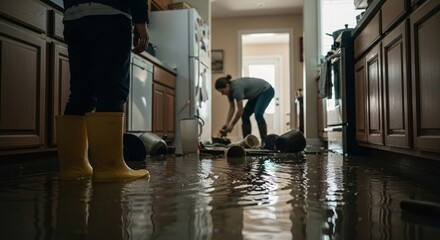
When floodwaters recede, the damage left behind can feel overwhelming. Floors may be soaked, walls stained, and personal belongings scattered or ruined. The quiet after a flood often reveals the true extent of destruction as mud, debris, and moisture settle into every corner of the home. For many homeowners, the first question becomes where to begin.
Flood damage affects far more than what can be seen on the surface. Water can seep deep into building materials, weaken structures, and create conditions that allow mold and bacteria to grow. Without proper cleanup and restoration from All Pro Services these issues can quickly turn into long term problems that affect both the safety and comfort of the home.
Disaster clean up after flood events requires careful planning and a structured approach. By understanding the steps involved in restoring a flooded home, homeowners can take action to remove water, prevent further damage, and begin the process of rebuilding their living space.
Understanding the Impact of Flood Damage
Flooding can affect a home in multiple ways depending on the depth of the water and how long it remains inside the structure. Even a small amount of water can cause significant damage if it reaches flooring materials, drywall, or insulation.
When water enters a home, it often spreads quickly through porous materials. Carpets, wooden floors, and wall panels absorb moisture and hold it deep within their structure. This trapped moisture can weaken materials and cause swelling, warping, or deterioration.
Electrical systems are also vulnerable during a flood. Water exposure can damage wiring, outlets, and appliances, creating potential safety hazards if not inspected properly before use.
In addition to structural damage, floodwater often carries contaminants such as dirt, bacteria, and chemicals. These contaminants can remain on surfaces long after the water has receded, making thorough cleaning essential for restoring a safe living environment.
Recognizing the full scope of flood damage is the first step toward effective disaster cleanup.
Ensuring Safety Before Starting Cleanup
Before beginning any cleanup process, safety must be the highest priority. Flooded areas can present several hazards that should be addressed before entering the home.
Electrical systems should always be treated with caution after flooding. Water and electricity create a dangerous combination, so power should remain turned off until the electrical system has been inspected and confirmed safe.
Structural stability is another important concern. Floodwater can weaken walls, floors, and foundations. Before entering the building, it is important to assess whether any part of the structure has been compromised.
Protective clothing is also essential during flood cleanup. Gloves, waterproof boots, and protective masks help reduce exposure to contaminants that may be present in floodwater or on damaged surfaces.
Taking these precautions helps ensure that the cleanup process begins in a safe and controlled manner.
Removing Standing Water
One of the most urgent tasks after a flood is removing standing water from the home. The longer water remains inside, the more damage it can cause to building materials and household items.
Water removal often begins with pumps or wet vacuum equipment designed to extract large volumes of water. In some cases water may need to be removed gradually to avoid placing stress on the structure of the building.
Once most of the standing water has been removed, smaller tools and absorbent materials can be used to remove remaining moisture from floors and surfaces.
Prompt water removal helps prevent additional structural damage and reduces the chances of mold growth. Acting quickly during this stage is critical for protecting the home from further deterioration.
Drying and Dehumidifying the Home
After water has been removed, the next step in disaster clean up after flood events is thorough drying. Moisture can remain hidden within walls, flooring, and insulation even after visible water has been cleared away.
Drying the home often involves the use of fans, air movers, and dehumidifiers. These devices circulate air and remove moisture from the environment, helping materials dry more quickly.
Proper ventilation also plays an important role in the drying process. Opening windows and allowing fresh air to circulate can help reduce humidity levels inside the home.
Drying may take several days depending on the extent of the flood damage and the materials involved. Ensuring that all areas are completely dry is essential before moving forward with repairs or restoration.
Failure to remove hidden moisture can lead to mold growth and long term structural problems.
Cleaning and Sanitizing Flood Affected Areas
Floodwater often contains contaminants that make cleaning an important part of the restoration process. Once surfaces have been dried, they should be thoroughly cleaned to remove dirt, bacteria, and other harmful substances.
Cleaning typically involves washing surfaces with disinfecting solutions designed to eliminate microorganisms. Floors, walls, and other affected surfaces should be treated carefully to ensure that contaminants are removed.
Porous materials such as carpets, mattresses, and certain types of insulation may need to be removed if they have absorbed contaminated water. These materials can be difficult to disinfect completely and may pose health risks if left in place.
Sanitizing the home helps restore a safe indoor environment and prepares the structure for further repairs.
Repairing and Restoring Damaged Areas
Once cleaning and drying are complete, the next stage involves repairing the parts of the home that were damaged by the flood. Floodwater can weaken drywall, flooring materials, and wooden structures.
Damaged drywall may need to be removed and replaced if it has absorbed water. Flooring materials such as carpets or wood planks may also require replacement depending on the severity of the damage.
Structural elements should be inspected carefully to ensure they remain stable. Repairing or reinforcing these components helps restore the strength and safety of the home.
Restoration work may also involve repainting walls, installing new flooring, and replacing damaged fixtures. These improvements gradually return the home to a comfortable and functional condition.
Preventing Mold Growth After Flooding
Mold growth is one of the most common concerns following a flood. Mold thrives in damp environments and can begin to grow within a short period if moisture remains in building materials.
Preventing mold requires thorough drying and proper ventilation throughout the cleanup process. Dehumidifiers and fans should continue running until humidity levels return to normal.
Surfaces should be inspected regularly during the restoration process to ensure that mold does not begin forming in hidden areas such as behind walls or beneath flooring.
If mold is detected, it should be addressed immediately using appropriate cleaning and remediation methods.
Maintaining a dry environment helps protect both the structure of the home and the health of its occupants.
Emotional and Practical Recovery After a Flood
Flood damage can be emotionally challenging for homeowners. Seeing a home filled with water and debris can create stress and uncertainty about the recovery process.
Taking the cleanup process step by step can make the situation more manageable. Beginning with water removal and progressing through drying, cleaning, and repairs allows homeowners to gradually restore order.
Support from family members, friends, and community resources can also help during the recovery period. Working together often speeds up the cleanup process and provides emotional encouragement during a difficult time.
Focusing on rebuilding and restoring the home can help homeowners regain a sense of stability after the disruption caused by flooding.
Conclusion
Disaster clean up after flood events requires patience, careful planning, and attention to detail. From removing standing water to drying, cleaning, and repairing damaged areas, each stage plays an important role in restoring the home.
Flood damage can affect both the structure of the building and the health of those living inside. Addressing moisture, contaminants, and structural issues quickly helps prevent further problems and supports a safe recovery process.
Although the aftermath of a flood can feel overwhelming, taking a structured approach to cleanup allows homeowners to gradually restore their living spaces. With proper care and persistence, a home can recover from flood damage and return to a comfortable and secure place for daily life.